


Artisan Home Decor Canada 2026: A Sourcing and Styling Guide
Table of Contents
- Sustainable Home Decor Trends 2026: What's Shaping Canadian Interiors
- Best Practices for Sourcing Handmade Home Goods
- How to Style Artisan Decor in Any Space
- Budget-Friendly DIY Artisan Hacks
- Maintaining Natural Materials for Longevity
- Why Artisan Home Decor Canada 2026 Is Worth the Investment
- Frequently Asked Questions
Last Updated: September 18, 2026
Sustainable Home Decor Trends 2026: What's Shaping Canadian Interiors
Artisan home decor in 2026 is defined by a deliberate shift away from mass-produced pieces toward objects with a visible human hand behind them. This guide from Felted Flowers covers the trends, sourcing strategies, and styling methods that matter most for anyone building a home with intention. The core argument running through everything below is simple: the most beautiful interiors are not the most expensive ones. They are the ones where every object has a story, a maker, and a reason to be there.
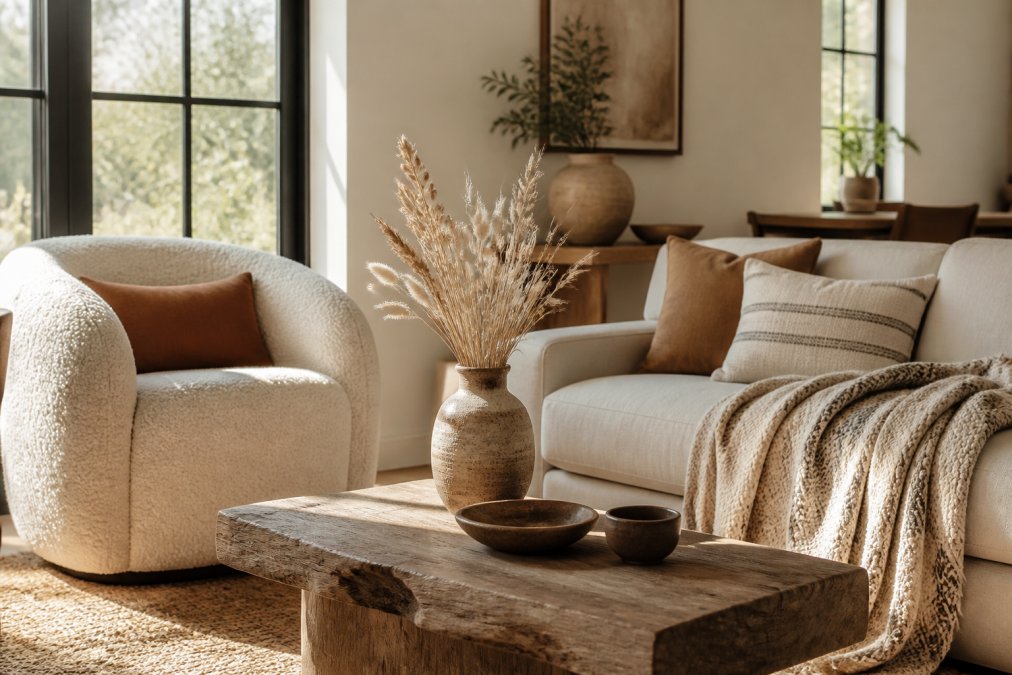
Two forces are driving this shift. First, conscious consumerism has moved from niche to mainstream, with buyers increasingly asking where materials come from and who made them. Second, the visual fatigue of identical big-box interiors has created real demand for texture, imperfection, and warmth. The Canadian Standards Association's guidance on sustainable product claims offers useful context on what "sustainable" should actually mean when a maker uses the word.
Earthy Tones and Warm Minimalism
Warm minimalism replaces the cold, gallery-white aesthetic that dominated the early 2020s. Think earth-inspired palettes: terracotta, ochre, clay, moss, and undyed linen. The goal is a room that feels lived-in rather than staged.
Tactile Materials and Biophilic Design
Biophilic design connects interiors to nature through materials, light, and organic form. In practice, that means raw wood, stone, wool, linen, and unfired clay, plus sculptural accents with organic silhouettes rather than sharp geometric edges.
Best Practices for Sourcing Handmade Home Goods
Sourcing well comes down to asking better questions before you buy, and knowing where to look in the first place. The difference between a genuine artisan piece and a factory item with a handmade label usually shows up in the answers, not the price tag.
Regional Sourcing Guide
Most trend articles tell you to "buy local" without saying where. Here is a practical map of what each region is known for, what to expect to pay, and how to verify a maker before you commit.
| Region | Signature Craft | Typical Price Range (CAD) | Where to Find It |
|---|---|---|---|
| British Columbia | Felted florals, wheel-thrown ceramics, cedar and driftwood pieces | $45-$180 for ceramics; $60-$250 for felt arrangements | Island studio tours, coastal craft fairs, Gulf Islands maker collectives |
| Prairies | Raw wood furniture, hand-tooled leather, grain-based decor | $200-$1,200 for furniture; $40-$300 for leather goods | Provincial craft councils, summer maker markets, rural studio open houses |
| Ontario and Quebec | Hand-thrown pottery, blown glass, woven textiles | $35-$150 for pottery; $80-$400 for glasswork | Studio tours, artisan cooperatives, urban craft shows |
| Atlantic provinces | Hooked rugs, wool textiles, carved wood | $90-$500 for rugs; $50-$250 for wool pieces | Local guilds, seasonal markets, church-hall craft sales |
How to Verify a Maker Before You Buy
A handmade label is not proof of handmade work. Use these checks:
- Ask for process photos. A real maker can show work-in-progress shots, kiln firings, or dye batches. Factory imports cannot.
- Look for a consistent but not identical catalog. Genuine artisan work varies slightly piece to piece. Identical photos across dozens of listings are a red flag.
- Check for a studio address or market presence. Most small makers sell through studio tours, regional craft councils, or established markets rather than anonymous marketplace storefronts.
- Ask about lead times.
- Request a longevity photo. Ask for a picture of a similar piece that has been in a customer's home for a year or more. Anyone can photograph a brand-new item well; patina is the real test.
Questions to Ask Before You Buy
Ask these five questions before committing to any artisan piece:
- What materials are used, and where do they come from?
- Is this made to order or pulled from stock?
- How should I clean and maintain it?
- What is the return policy if it arrives damaged?
- Can the maker customize size, color, or composition?
How to Style Artisan Decor in Any Space
Styling artisan decor works best when you treat each piece as a focal point rather than filling space with volume. Three well-chosen objects beat fifteen forgettable ones every time. The challenge is that most styling advice assumes a large home, and most people do not have one.
- Anchor: one large sculptural or textile piece
- Mid-layer: two or three medium objects in contrasting materials
- Accent: small hand-thrown ceramics, dried stems, or felt florals
Small-Space Artisan Integration
Small spaces reward restraint, but they also demand strategy. In a condo or apartment, every piece has to earn its footprint. Choose pieces that do double duty:
- A handwoven basket that stores throws when not on display
- A felt floral arrangement that adds permanent color
- A wall-mounted textile that fills vertical space without consuming floor area
- A ceramic bowl that works as a catch-all on an entry table
Maintaining the Look Over Time
Styling is not a one-time event. Natural materials shift with light, humidity, and use, and the way you care for them determines whether they age into character or into damage.
- Wool and felt: vacuum gently on low suction, spot clean with cool water, never machine wash. Rotate felt arrangements away from direct sun every few months to prevent uneven fading.
- Raw wood: oil every six to twelve months, keep away from direct heat. A wood surface with patina reads as character, not damage.
- Ceramics: hand wash where possible, avoid thermal shock from dishwasher cycles. Hairline crazing in the glaze is normal and does not affect function.
- Linen: cold wash, line dry, accept the natural softening that comes with age. Slightly faded linen is the point, not a flaw.
Budget-Friendly DIY Artisan Hacks
You do not need a large budget to get an artisan look. Several approaches deliver the same warmth at a fraction of the cost.
- Mix one investment piece with thrifted or inherited objects
- Refinish secondhand wood furniture instead of replacing it
- Group dried stems in handmade pottery rather than buying new arrangements
- Layer inexpensive linen with one textured artisan cushion
- Trade with local makers: skills, materials, or space for finished work
Maintaining Natural Materials for Longevity
Natural materials last decades when cared for properly, and poorly when ignored. The maintenance routine is simple but it is not optional.
- Wool and felt: vacuum gently on low suction, spot clean with cool water, never machine wash
- Raw wood: oil every six to twelve months, keep away from direct heat
- Ceramics: hand wash where possible, avoid thermal shock from dishwasher cycles
- Linen: cold wash, line dry, accept the natural softening that comes with age
Why Artisan Home Decor Canada 2026 Is Worth the Investment
Artisan home decor is worth the investment because it solves a problem mass-produced decor cannot: it stays beautiful and it stays out of landfill. A single well-made piece typically outlasts several cheap replacements.
Statistics Canada data on household spending and sustainable consumption
Frequently Asked Questions
What are the major artisan home decor trends for 2026?
Artisan home decor in 2026 leans toward warm minimalism, earthy tones, and tactile materials like bouclé, raw wood, and handwoven textiles. Biophilic design elements, such as natural textures and organic silhouettes, bring a lived-in feel to modern spaces. Curved furniture and sculptural accents replace sharp, mass-produced lines. Sustainable sourcing and ethical manufacturing matter more to buyers, who want pieces with a story. Hand-thrown ceramics and artisan-crafted decor anchor these trends, creating rooms that feel personal rather than showroom-perfect.
How do I incorporate artisan decor into a modern home?
Start with one or two focal pieces, like a handcrafted vase or a felt floral arrangement, and build around them. Mix artisan items with clean-lined furniture to keep the look balanced. Use textile layering with handwoven throws or cushions in earthy tones. Group small handmade objects on open shelving for a curated collection effect. Keep the palette cohesive with warm neutrals so each piece stands out. The goal is spatial flow, not clutter, so edit as you go and let each artisan piece breathe.
Why is sustainable, handcrafted decor gaining popularity?
Conscious consumerism is driving demand for sustainable home decor. Buyers want pieces that last, reduce waste, and support local makers. Handcrafted goods often use natural or recycled materials, like Merino wool and recycled polyester felt, which aligns with eco-friendly decor values. Slow design and heritage craftsmanship appeal to people tired of disposable trends. In Canada, regional sourcing lets shoppers find unique items while lowering shipping emissions. This shift reflects a broader desire for homes that feel authentic and responsibly made.
How can I support local makers when buying home decor?
Shop at craft fairs, farmers markets, and online directories that spotlight Canadian artisans. Look for makers who share their process and materials openly. Ask about regional sourcing, such as wool from local farms or reclaimed wood from nearby suppliers. When you buy directly, you often get customization options and can request specific colors or sizes. Following makers on social media helps you see new collections first. Every purchase from a small studio keeps heritage craftsmanship alive and strengthens local economies.
What decorating trends are considered outdated for 2026?
Overly matched furniture sets, sterile all-white rooms, and mass-produced accent pieces are falling out of favor. Fast decor that mimics handmade looks without the craft is losing appeal as buyers seek authenticity. Sharp, angular silhouettes and cold, industrial finishes feel less inviting than curved, organic forms. Heavy synthetic materials are being replaced by natural textures and sustainable options. The shift favors lived-in spaces with personality, so anything that feels generic or disposable is on its way out.